Design & Build Quality
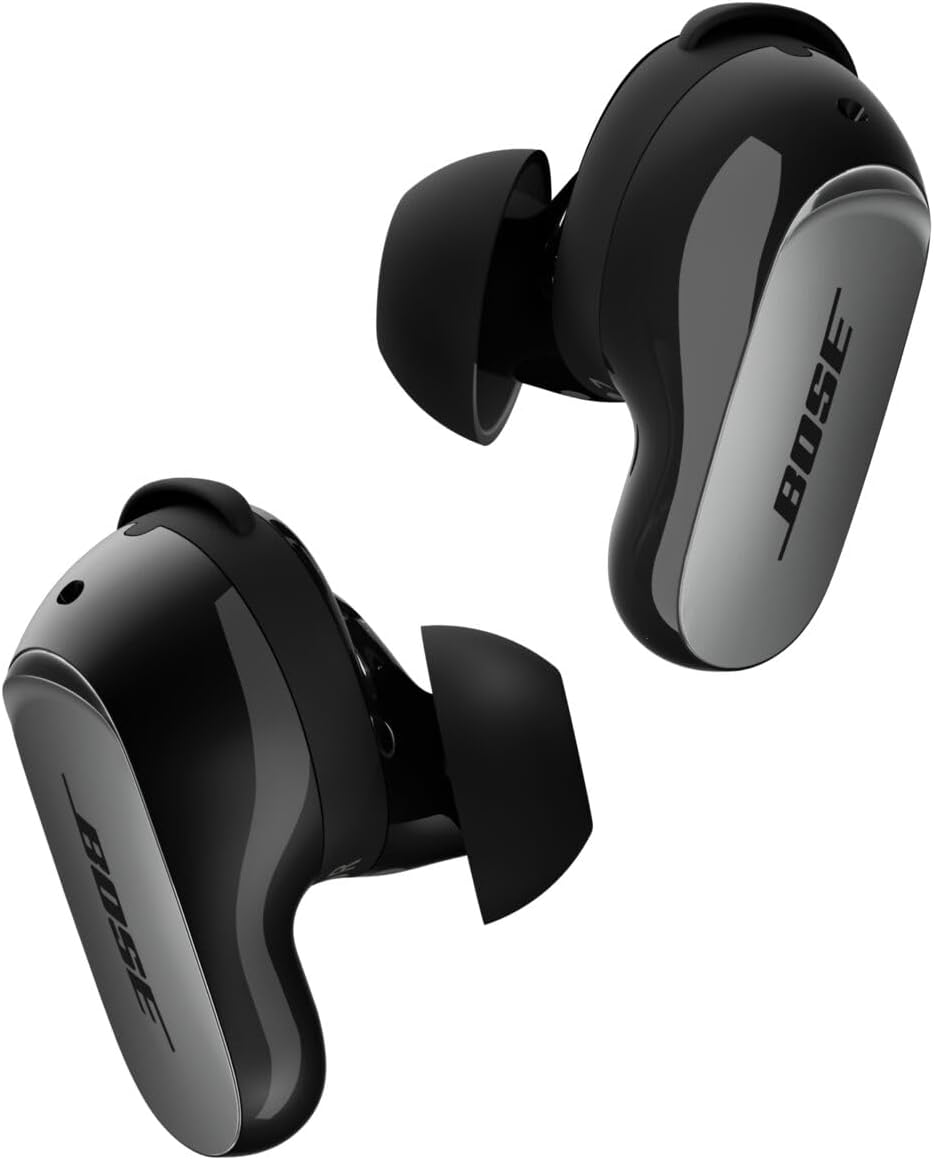
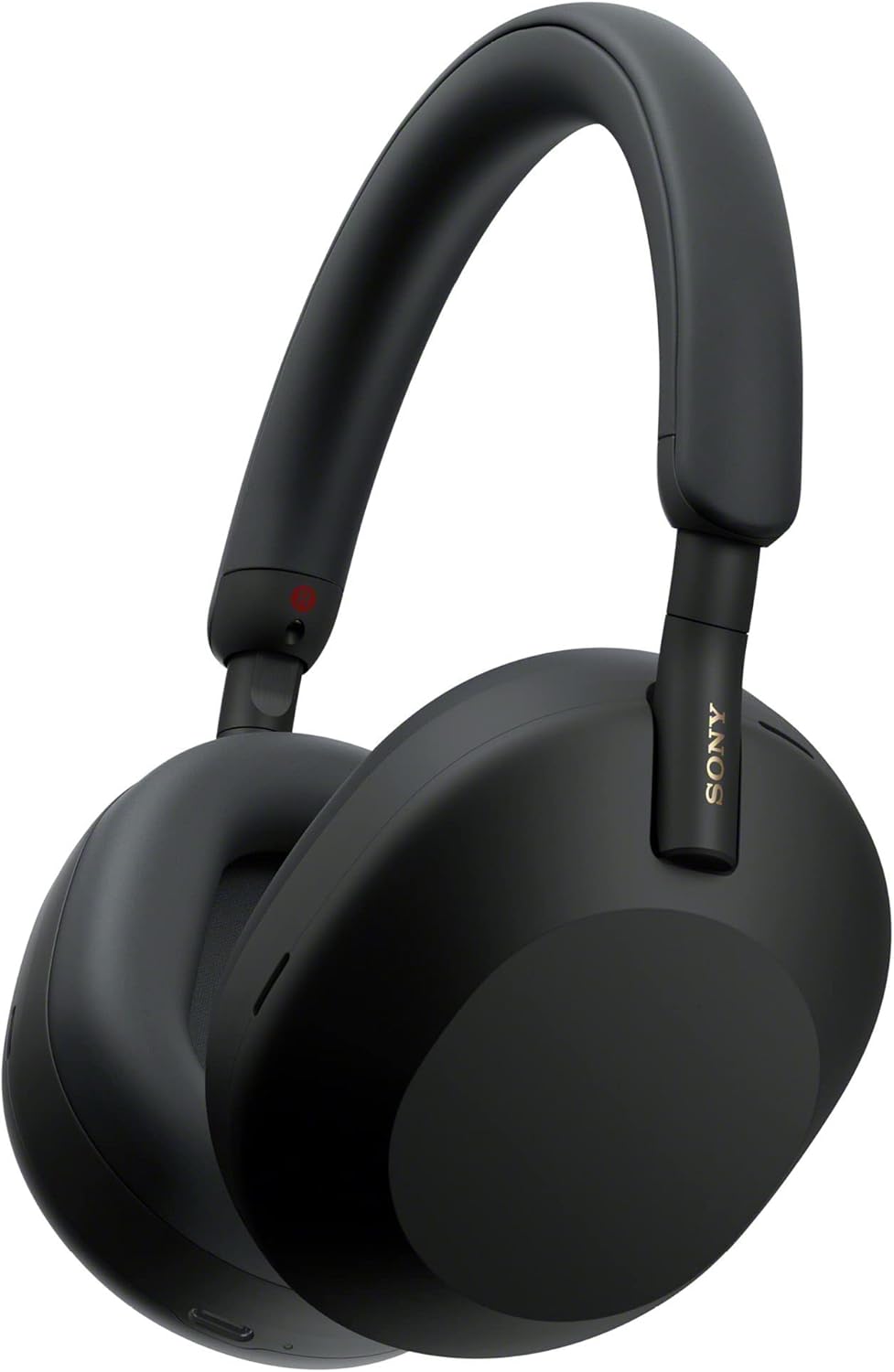
Sony redesigned the XM5 from scratch compared to the XM4. The new headband is thinner, the ear cups are bigger, and the whole thing feels noticeably more premium. At 250g, they're lighter than competitors like the Bose QuietComfort 45 and Bose QuietComfort Ultra.
The matte plastic finish is fingerprint-resistant and doesn't look cheap. Touch controls on the right ear cup work reliably — swipe to skip, tap to pause, hold to activate the voice assistant. Our only design complaint: they no longer fold flat. The XM4 folded neatly into its case; the XM5 only swivel to lay side-by-side, making the case bulkier.
Noise Cancellation Performance
This is where the XM5 earns its price tag. Sony uses two processors and eight microphones to analyze and eliminate ambient noise. In our tests — airplane cabin, open-plan office, busy coffee shop — the XM5 outperformed every other headphone we tested at this price point.
The ANC is so effective that on a flight, engine noise essentially disappears. Conversations around you become a low murmur. For comparison, the Bose QuietComfort Ultra gets close, but Sony edges it out on low-frequency rumble like air conditioning and plane engines.
Ambient sound mode (hear-through) is equally impressive — it sounds natural enough that you might forget it's on. A smart "Speak-to-Chat" feature automatically pauses music and enables ambient mode when you start talking, then resumes when you stop.
Sound Quality
Sony tunes these headphones with a bass-forward signature, which sounds great for pop, hip-hop, and electronic music. If you prefer a flatter, more reference sound, you'll want to spend a few minutes in the Sony Headphones Connect app adjusting the EQ — fortunately, the app is excellent.
The LDAC codec (supported on Android) pushes up to 990kbps of audio data — three times what standard Bluetooth delivers. On compatible Android phones, this makes a noticeable difference in detail and clarity. iPhone users get AAC, which is still good but doesn't unlock the full potential.
Battery Life & Charging
Sony rates the XM5 at 30 hours with ANC on — and in our real-world testing, we hit 28–31 hours consistently. With ANC off, you'll get closer to 40 hours. A 3-minute quick charge delivers 3 hours of playback, which is a lifesaver when you're running to catch a flight.
It charges via USB-C, which means you can use the same cable as your phone and laptop. No proprietary chargers to keep track of.
Call Quality
Eight microphones with Sony's AI-based noise suppression algorithm make these some of the best headphones for calls on the market. In outdoor tests with wind and traffic, callers reported hearing us clearly with minimal background noise. On video calls, multiple people asked if we were using a dedicated microphone.
Full Specifications
| Driver Size | 30mm |
| Frequency Response | 4Hz – 40,000Hz (LDAC) |
| Connectivity | Bluetooth 5.2, NFC, USB-C audio |
| Codecs | LDAC, AAC, SBC |
| Battery Life (ANC on) | 30 hours |
| Battery Life (ANC off) | 40 hours |
| Quick Charge | 3 min → 3 hours |
| Microphones | 8 (4 for ANC, 4 for calls) |
| Weight | 250g |
| Foldable | Swivel only (not flat fold) |
| Multipoint | Yes (2 devices simultaneously) |
| Water Resistance | None |
| What's in the box | Headphones, carrying case, USB-C cable, 3.5mm adapter |
How It Compares
| Model | Score | Price | Battery | Folds Flat | Link |
|---|---|---|---|---|---|
| Sony WH-1000XM5 OUR PICK | 9.8 | $349 | 30 hrs | ✗ | Amazon → |
| Bose QuietComfort Ultra | 9.5 | $429 | 24 hrs | ✓ | Amazon → |
| Apple AirPods Max (USB-C) | 9.2 | $549 | 20 hrs | ✗ | Apple → |
| Sony WH-1000XM4 | 9.1 | $249 | 30 hrs | ✓ | Amazon → |
Final Verdict
The Sony WH-1000XM5 are the headphones we'd recommend to almost anyone who asks. The noise cancellation is the best on the market, call quality is excellent, battery life is outstanding, and the app gives you fine-grained control over the sound. At $349, they're not cheap — but they're cheaper than Bose and Apple while outperforming both on the features that matter most.
Buy them if: you travel frequently, work in noisy environments, or simply want the best over-ear headphones available.
Consider alternatives if: you need a flat-fold design for travel packing, or you're an iPhone user who wants seamless Apple ecosystem integration (in which case, AirPods Max are worth the premium).